Monogamous relationships are often perceived as safe zones when it comes to sexually transmitted diseases (STDs). The assumption is simple: exclusivity equals protection. While trust and fidelity are foundational to monogamy, sexual health is a dimension that deserves equal attention. Even in long-term, committed partnerships, STD Checkup Dubai plays a valuable role in maintaining overall health and peace of mind.
Understanding Monogamy and STD Risk
Monogamy refers to a committed relationship in which both partners agree to be sexually exclusive. This arrangement ideally reduces the risk of contracting STDs from outside sources. However, being in a monogamous relationship does not eliminate all risk.
Pre-existing Infections Before the Relationship
One of the most common reasons STDs can exist in monogamous relationships is that one or both partners may have entered the relationship with an undiagnosed infection. Many STDs do not show symptoms for extended periods, and unless testing was done before sexual activity began, these infections can remain unnoticed.
Misunderstandings About Exclusivity
In some cases, partners may have differing interpretations of what monogamy entails. Even in well-intentioned relationships, misunderstandings or mistakes can occur. When that happens, the health of both individuals can be impacted, especially if no regular testing has been part of the relationship’s routine.
The Importance of Routine Testing
Routine STD testing is often associated with dating, casual relationships, or high-risk behaviors. However, there are solid reasons why individuals in monogamous relationships should consider periodic testing as well.
Building Trust Through Transparency
Testing is not just about identifying health risks—it also promotes open communication and trust. When both partners agree to get tested, it reflects mutual care and commitment to each other’s well-being.
Early Detection for Better Outcomes
Some STDs can remain in the body for years without noticeable symptoms. Regular testing ensures that any underlying infections are detected early, allowing for timely medical intervention and reducing the risk of complications.
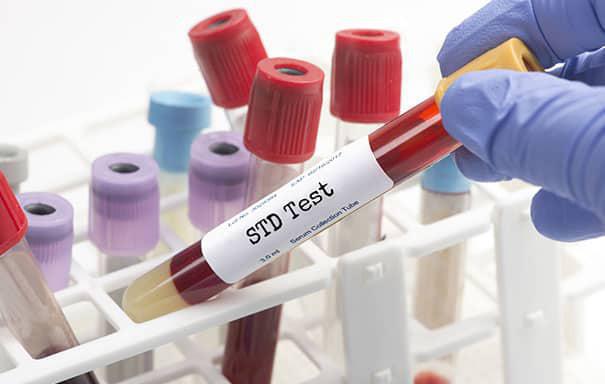
Types of STDs That May Go Undetected
Certain infections are more likely to remain hidden without testing. Understanding these can emphasize the importance of screening even in monogamous situations.
Human Papillomavirus (HPV)
HPV is one of the most common infections and is often asymptomatic. It can be passed between partners unknowingly and can, in some cases, lead to long-term health issues if left untreated.
Chlamydia and Gonorrhea
These bacterial infections are known to be silent in many individuals, particularly in women. Without testing, they may only be discovered after complications arise.
Herpes Simplex Virus (HSV)
This virus can lie dormant and be passed on without visible symptoms. Testing may be the only way to confirm its presence.
Hepatitis B and C
These viral infections may show few or no symptoms but can lead to serious liver problems over time. Periodic testing can help manage these conditions proactively.
When Should Testing Be Considered?
Even in monogamous relationships, there are moments when STD testing becomes especially relevant.
At the Beginning of the Relationship
Before becoming sexually active, couples should consider getting tested together. This sets a healthy precedent and ensures both parties start with a clear understanding of each other’s status.
After a Break in Monogamy
If the agreement of exclusivity has been broken, intentionally or unintentionally, testing should be done to safeguard both partners.
When Symptoms Appear
Any unusual changes in health related to sexual activity—such as irritation, discharge, or discomfort—should prompt immediate testing.
During Routine Health Checkups
Including STD testing as a part of regular medical checkups can be a wise decision, especially if testing hasn’t been done in a long time.
Addressing the Stigma Around Testing
Despite advances in sexual health education, there remains a lingering stigma around STD testing, especially in committed relationships. Some view it as an accusation or a sign of mistrust. This mindset can prevent open dialogue and delay necessary healthcare.
Reframing the Conversation
Instead of seeing testing as a negative implication, couples can view it as an act of mutual responsibility. Just like any other health screening, it’s a way to protect and care for each other.
Normalizing Sexual Health Conversations
Bringing up testing in casual, judgment-free ways can help normalize the process. When STD Screening Dubai is treated as a routine part of healthcare, it becomes easier to discuss and act upon.
Supporting a Healthy Relationship Culture
Testing isn’t just about disease prevention—it’s also about fostering a culture of openness, accountability, and shared health goals in a relationship.
Encouraging Shared Responsibility
When both partners engage in decisions about their sexual health, it enhances the quality of the relationship. It’s no longer just about individual choices but about collective well-being.
Keeping Communication Open
Regular conversations about health, testing, and relationship expectations help prevent misunderstandings. This openness contributes to emotional intimacy and strengthens the bond between partners.
Conclusion:
Being in a monogamous relationship offers many emotional and physical benefits, including a reduced risk for STDs. However, the assumption of safety should not replace the practice of care. STD testing in a committed partnership is not about suspicion; it’s about mutual respect, responsible health practices, and proactive love. By integrating regular testing into the fabric of the relationship, couples not only protect their health but also affirm their commitment to each other in the most tangible way possible. Trust, honesty, and shared responsibility are the cornerstones of any strong relationship—and testing plays a quiet but essential role in supporting them.