Laser tattoo removal is a widely used method for fading or completely removing unwanted tattoos through light-based technology. It works by breaking down the ink particles beneath the skin, allowing the body’s natural system to gradually flush them away. Over multiple sessions, the tattoo can become significantly lighter or disappear altogether. This modern approach has gained attention because of its precision and effectiveness in targeting specific ink colors without damaging the surrounding skin. For those considering erasing a past design, understanding how it works is the first step in deciding if it’s the right path to take.
Why People Consider Laser Tattoo Removal
There are countless personal reasons someone might want to remove a tattoo. Some people experience a change in personal style or career goals, while others may wish to remove a tattoo that no longer holds meaning. In other cases, individuals simply want to refresh their appearance or make space for a new design. Whatever the motivation, Laser Tattoo Removal Dubai provides a safe and efficient way to start fresh. It offers flexibility and freedom for people who view tattoos as part of their evolving identity.
Who Can Be a Good Candidate
Not everyone may be an ideal candidate for laser tattoo removal. Factors such as skin tone, tattoo color, size, and age of the tattoo all play a role in determining potential outcomes. Generally, individuals in good overall health with realistic expectations are suitable candidates. Older tattoos and those made with darker inks often respond better to treatment because the pigments break down more easily under laser light. Those with fair to medium skin tones may also experience more predictable results due to better laser light absorption. However, advancements in laser technology have made the treatment more inclusive for various skin types and ink shades.
Factors That Affect Tattoo Removal Success
Several factors influence how well a tattoo can be removed with laser treatment. The type of ink used, its depth within the skin, and the area of the body it’s located on can all impact results. Tattoos applied professionally tend to contain denser ink, which might take more sessions to fade, while amateur tattoos often respond faster due to lighter ink use. Skin’s natural healing ability also matters—a healthy immune system supports faster pigment breakdown and removal. People who maintain consistent treatment schedules and follow general wellness habits often notice better and more uniform results.
How Laser Tattoo Removal Works
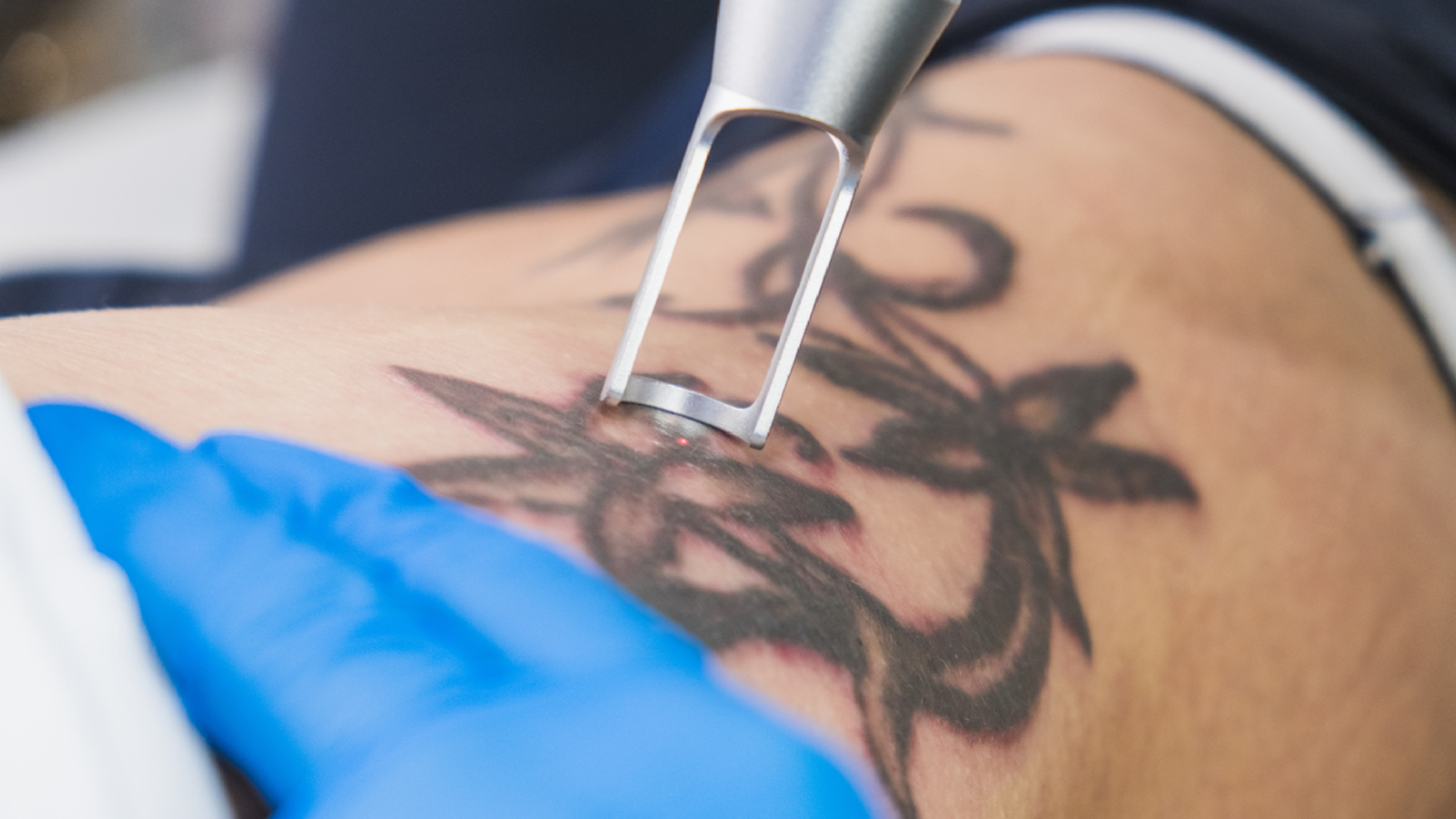
During a laser tattoo removal session, a specialized device emits concentrated light pulses directed at the tattooed skin. These pulses penetrate the skin and target the pigment molecules without cutting or damaging the skin’s surface. Each light pulse shatters the ink particles into smaller fragments, which the body’s immune system gradually clears away over time. The number of sessions required varies depending on the tattoo’s size, color, and depth. Sessions are typically spaced several weeks apart to allow the body adequate time to process the fragmented ink before the next treatment.
Benefits of Laser Tattoo Removal
Laser tattoo removal offers numerous benefits beyond simply erasing ink. One of its biggest advantages is precision—lasers can specifically target pigment while leaving surrounding tissue untouched. This reduces the risk of uneven skin tone or marks once the tattoo fades. The process is also customizable; laser intensity, wavelength, and pulse duration can be adjusted to suit different ink colors and skin types. Another appealing factor is that the skin gradually returns to a more natural appearance over time. For those who value flexibility and minimal invasiveness, this approach often feels like a balanced option.
Emotional Relief and Confidence Boost
For many individuals, removing an unwanted tattoo can be more than just a physical transformation—it’s an emotional one as well. Tattoos often represent specific life phases, and when those memories no longer align with one’s present, erasing them can bring a sense of renewal. Many people report feeling more confident and comfortable in their skin after seeing their tattoo fade. It can also help individuals move forward from past experiences or reclaim their body image in a positive way. The ability to make such a change can be empowering, reinforcing the feeling of self-control and personal growth.
Preparing for Laser Tattoo Removal
Before deciding to undergo laser tattoo removal, understanding what to expect can help set realistic goals. The process usually starts with an initial consultation to assess the tattoo’s characteristics, such as its color range, location, and depth. The professional may also evaluate the person’s skin tone and overall health to determine suitable laser settings. During the session, protective eyewear is provided, and a cooling device may be used to keep the skin comfortable. It’s helpful to wear loose clothing and stay well-hydrated on treatment days. Having a clear understanding of the procedure helps reduce anxiety and ensures a smoother experience.
When to Consider Laser Tattoo Removal
Choosing laser tattoo removal becomes easier when certain signs or feelings arise. If someone frequently hides their tattoo or feels self-conscious about it, that may signal the desire for change. Others might seek removal to comply with workplace policies or personal lifestyle adjustments. Sometimes, individuals want to fade an existing tattoo to prepare for a new design in the same area. If the tattoo no longer reflects one’s identity, beliefs, or aesthetics, that realization can serve as a clear indicator that removal might be a beneficial decision.
FAQs
How long does it take to see visible results?
Visible fading often begins after a few sessions, though complete removal may take several months. The pace of progress depends on tattoo size, ink density, and individual skin healing response.
Does laser tattoo removal work on all colors?
While darker inks like black and blue absorb laser energy more efficiently, newer laser technologies have improved results on lighter colors such as green and yellow. Multiple wavelengths may be used to target different pigments.
Can old tattoos be removed more easily?
Older tattoos generally respond better because the ink has already begun to break down naturally over time. This makes it easier for the laser to fragment remaining pigment particles.
How should one decide if it’s the right choice?
Laser Tattoo Removal in Dubai may be suitable for those seeking a long-term, non-surgical solution to fade or erase ink. Evaluating personal motivation, commitment to multiple sessions, and patience for gradual results can help determine readiness.
Final Thoughts
Deciding to remove a tattoo is a deeply personal choice, and laser technology has made that journey more accessible and effective than ever. By understanding how the process works and assessing one’s expectations, individuals can confidently determine whether laser tattoo removal aligns with their goals. It’s not just about clearing ink—it’s about reclaiming control over how one wants to present themselves to the world.