Social interaction plays a vital role in the overall well-being of older adults. Staying socially active supports emotional health, sharpens the mind, and reduces the feeling of isolation that many seniors experience. While aging can sometimes limit opportunities to socialize, Home Healthcare Dubai creates a bridge that helps seniors remain connected with others and feel part of a community.
The Connection Between Health and Social Interaction
Maintaining good health and staying socially engaged go hand in hand. Seniors who interact regularly with others often report a greater sense of happiness and reduced loneliness. With home healthcare, assistance goes beyond medical or physical support. Caregivers often provide companionship, conversation, and encouragement, which are key to fostering social bonds.
Companionship as a Core Element of Care
One of the most significant benefits of home healthcare is companionship. Trained caregivers spend quality time with seniors, listening to their stories, playing games, or simply engaging in meaningful conversations. This companionship can help replace the social opportunities that may have become less frequent due to mobility challenges or other limitations.
Supporting Participation in Hobbies and Activities
Hobbies are a wonderful way for seniors to express creativity and maintain a sense of purpose. Home healthcare professionals often encourage seniors to continue or even rediscover their favorite activities. Whether it’s gardening, knitting, painting, or playing board games, these activities promote both mental stimulation and social interaction.
Encouraging Connections with Family and Friends
Family connections remain essential for seniors as they age. Home healthcare services often support seniors in maintaining regular contact with their loved ones. This could involve helping them write letters, organize photo albums, or use simple communication tools to connect with family members who live farther away. Such interactions bring comfort, strengthen bonds, and enhance a senior’s sense of belonging.
Creating Daily Routines That Include Social Time
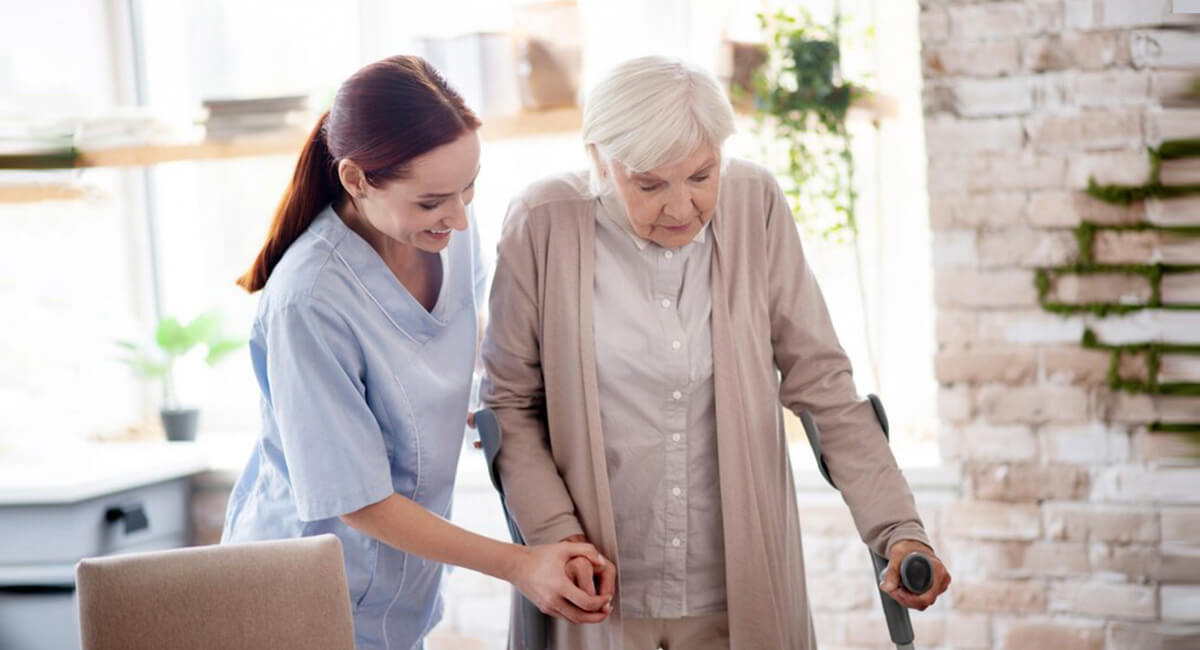
Consistency in daily life helps seniors feel secure and purposeful. With home healthcare, routines can be structured to include time for social interaction. From sharing meals to enjoying conversation during morning walks, these moments give seniors the chance to connect with others while feeling supported and cared for.
Reducing Loneliness and Isolation
Loneliness is a common challenge for many older adults, especially those living alone. Home healthcare provides regular companionship that helps break this cycle of isolation. Knowing that someone will be there each day to talk to or share experiences with can significantly boost a senior’s mood and overall well-being.
Emotional Support Through Human Connection
Emotional health is just as important as physical health. Seniors often face life changes that bring about stress or sadness. Having a caregiver to share feelings with can make a world of difference. Compassionate listening, empathy, and consistent emotional support help seniors feel valued and understood.
Strengthening Cognitive Health Through Interaction
Engaging in conversations, puzzles, or storytelling helps keep the mind sharp. Home healthcare workers often provide stimulating discussions and encourage seniors to participate in activities that challenge memory and problem-solving skills. These interactions not only support cognitive health but also create enjoyable social moments.
Supporting Independence While Staying Connected
Many seniors value their independence but still want opportunities for social interaction. Home healthcare balances both needs. Caregivers assist where necessary while also encouraging seniors to remain as self-sufficient as possible. This balance builds confidence while ensuring that social needs are met.
Enhancing Confidence and Self-Esteem
Social engagement has a powerful impact on self-esteem. Seniors who feel connected to others often display greater confidence in their abilities. With caregivers offering positive reinforcement and encouragement, seniors are more likely to try new activities, engage in conversations, and embrace life with enthusiasm.
Social Benefits of Physical Activity Support
Physical activity is not only important for health but also for social interaction. Gentle exercises, walks, or stretches guided by caregivers allow seniors to enjoy movement while sharing the experience with a companion. These activities spark conversation and create enjoyable shared moments.
Promoting a Sense of Belonging
Feeling part of a group or community is essential at every stage of life. Home healthcare helps foster this sense of belonging by ensuring seniors stay connected, whether through conversations, shared activities, or encouragement to connect with family and friends. This sense of connection provides comfort and joy in everyday life.
Creating a Positive Home Environment for Interaction
The home environment greatly influences social engagement. Home healthcare professionals often contribute by creating a warm and welcoming atmosphere where seniors feel safe, relaxed, and ready to interact. A positive space encourages open communication and builds stronger relationships.
The Role of Caregivers as Social Bridges
Caregivers serve as important social bridges for seniors, connecting them not only with their immediate environment but also with the larger world. By engaging in meaningful dialogue, introducing stimulating activities, and encouraging family connections, caregivers help seniors maintain vibrant social lives.
FAQs
Why is social engagement important for seniors?
Social engagement supports emotional health, reduces loneliness, and helps maintain cognitive function, which all contribute to a higher quality of life.
How does home healthcare promote social interaction?
Home Healthcare in Dubai professionals provide companionship, encourage hobbies, support family connections, and create daily routines that include meaningful social activities.
Can home healthcare help reduce loneliness in seniors?
Yes, consistent companionship and emotional support from caregivers help reduce feelings of isolation and create a sense of connection.
What types of activities keep seniors socially engaged?
Activities may include hobbies, conversations, light exercise, storytelling, or connecting with family and friends, all of which enhance social and emotional well-being.