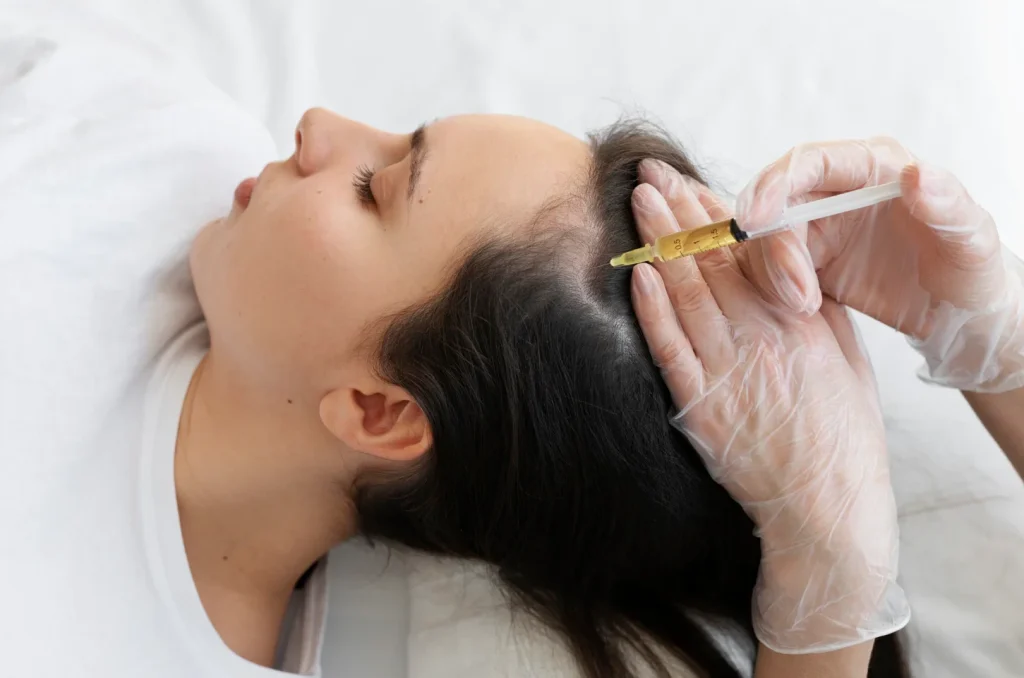
Hair thinning and hair loss can affect confidence, appearance, and overall well-being. With advancements in regenerative medicine, people now have access to different treatment approaches designed to support healthier hair growth and improve scalp conditions. Among these options, platelet-rich plasma (PRP) and regenerative treatments involving stem cells have attracted considerable attention. Understanding how Stem Cell Therapy for Hair in Dubai differs from PRP can help individuals explore suitable options based on their hair concerns, treatment expectations, and overall scalp health.
Although both approaches focus on supporting hair restoration, they differ in their biological mechanisms, preparation methods, and research evidence. Exploring these differences provides a clearer understanding of what each treatment involves and how they may fit into an individual hair restoration journey.
Understanding Stem Cell Therapy for Hair Restoration
Stem cell-based hair restoration is an emerging area of regenerative medicine that explores how certain cells and their biological signals may support tissue repair and hair follicle activity.
Stem cells are known for their ability to develop into different cell types and release signaling molecules that influence surrounding tissues. In hair restoration research, particular attention is given to their potential role in supporting the hair follicle environment.
How Does Stem Cell Therapy Work?
Hair follicles naturally move through different growth stages, including anagen (growth), catagen (transition), and telogen (resting). Changes in the follicular environment can influence this cycle and contribute to thinning.
Stem cell-based approaches aim to influence the biological environment surrounding hair follicles. Depending on the specific technology, they may involve cellular products, tissue-derived preparations, or stem-cell-related signaling factors.
Potential areas of interest include:
Supporting the follicular microenvironment.
Influencing cellular communication within scalp tissues.
Promoting conditions associated with hair follicle activity.
Supporting tissue regeneration processes.
Exploring ways to improve the quality of thinning hair.
However, stem cell-based hair restoration is still developing, and different preparations should not be considered interchangeable. Evidence regarding their effectiveness and long-term outcomes remains limited.
Understanding PRP Hair Treatment
Platelet-rich plasma is a regenerative treatment that uses a concentrated portion of a person's own blood. Platelets contain growth factors and other signaling proteins that participate in natural tissue repair.
PRP has been explored in hair restoration because these growth factors may influence the activity of cells around hair follicles.
How Does PRP Work?
The procedure generally begins with collecting a small blood sample. The sample is processed using a centrifugation system to separate its components and concentrate the platelets.
The resulting platelet-rich plasma is then administered into selected areas of the scalp.
PRP aims to create a supportive environment for hair follicles through the release of biological signaling molecules.
Its potential benefits may include:
Supporting hair follicle activity.
Improving the scalp's local healing response.
Helping address certain types of hair thinning.
Supporting hair thickness in some individuals.
Complementing other hair restoration approaches.
PRP is commonly investigated for androgenetic alopecia, also known as pattern hair loss. However, individual responses can vary, and results are not guaranteed.
Key Differences Between Stem Cell Therapy and PRP
Although both treatments belong to the broader field of regenerative medicine, their underlying approaches are different.
Source of Biological Material
One of the main differences involves the biological material used in each treatment.
PRP is prepared from the patient's own blood. Its primary active components include concentrated platelets and their associated growth factors.
Stem cell-based approaches may involve different cellular sources or biologically active substances associated with stem cells. The exact source depends on the treatment technology and preparation method.
Therefore, understanding what a particular treatment contains is important before considering it.
Mechanism of Action
PRP primarily works through growth factor release and cellular signaling. These biological substances may help support the environment surrounding hair follicles.
Stem cell-based approaches explore broader regenerative mechanisms, including cellular communication, tissue repair, and signals that may influence follicular activity.
While both approaches aim to support hair restoration, their biological mechanisms are not identical.
Treatment Preparation
PRP generally involves a straightforward preparation process using a blood sample collected from the individual.
Stem cell-based treatments can involve more complex preparation methods depending on whether they use cellular preparations, tissue-derived materials, or cell-free products.
Not every treatment marketed as stem cell therapy contains living stem cells. Some products may contain substances released by cells, making it important to understand the exact procedure being offered.
Research and Clinical Evidence
PRP has been investigated in numerous clinical studies involving different types of hair loss. Research suggests that it may improve hair density and thickness in some individuals, although treatment protocols and study results vary.
Stem cell-based hair restoration has promising research directions, but many approaches remain experimental or under clinical investigation.
Consequently, PRP currently has a more established clinical evidence base for hair loss than many stem cell-based alternatives.
Which Treatment Is More Suitable for Different Hair Concerns?
Choosing between PRP and stem cell-based approaches depends on the individual's hair condition, treatment goals, and the available clinical evidence.
PRP for Early Hair Thinning
Individuals experiencing early-stage pattern hair loss may explore PRP as a treatment option. It may help support existing hair follicles and improve certain hair growth measurements.
However, PRP is generally more relevant when functioning hair follicles are still present. It cannot reliably restore hair in areas where follicles have been permanently lost.
Stem Cell-Based Approaches for Regenerative Research
Stem cell-based treatments are attracting interest because of their potential to influence several biological processes involved in hair follicle function.
They may eventually contribute to new approaches for individuals experiencing different forms of hair thinning. However, the effectiveness of specific treatments depends on their formulation, preparation, and clinical validation.
Individuals should be cautious about claims of guaranteed hair regrowth or permanent restoration.
What Happens During the Treatment Process?
The treatment experience differs depending on whether an individual chooses PRP or an appropriately regulated stem cell-based procedure.
Initial Scalp Assessment
The process generally begins with an assessment of the scalp, hair density, pattern of thinning, and medical history.
Identifying the underlying cause of hair loss is important because conditions such as hormonal changes, nutritional deficiencies, inflammatory scalp disorders, and genetic hair loss may require different management approaches.
Preparing for the Procedure
For PRP, a blood sample is collected and processed to obtain platelet-rich plasma.
For stem cell-based procedures, preparation depends on the specific product or technology being used. Individuals should receive clear information about the biological source, processing method, and regulatory status.
Treatment Administration
PRP is typically administered through small injections into targeted scalp areas.
Stem cell-based procedures may also involve scalp administration, depending on the treatment protocol. The method, preparation, and clinical supervision can differ considerably between available approaches.
Are There Any Limitations to Consider?
Both treatments have limitations, and neither should be presented as a universal solution for hair loss.
PRP may produce variable results, and multiple sessions are commonly used in treatment protocols. Temporary tenderness, swelling, redness, or bruising may occur following injections.
Stem cell-based treatments have additional considerations because their safety and effectiveness depend heavily on the source and processing of the biological material. Some commercially promoted procedures have not been adequately validated through high-quality clinical research.
A qualified healthcare professional should explain the potential benefits, uncertainties, and possible risks before treatment begins.
Can PRP and Stem Cell Therapy Be Combined?
Some regenerative hair restoration approaches explore combining different biological treatments to support the scalp environment.
However, combining PRP with stem cell-based products does not automatically produce better outcomes. There is currently insufficient evidence to establish that every combination offers additional benefits compared with individual treatments.
A suitable approach should be based on the individual's diagnosis, treatment history, and available clinical evidence rather than promotional claims.
How to Choose Between PRP and Stem Cell-Based Hair Treatments
Making an informed decision requires looking beyond marketing descriptions and understanding the actual procedure.
Important considerations include:
The underlying cause and severity of hair loss.
The treatment's biological source and preparation method.
Available clinical evidence supporting its use.
The qualifications of the healthcare professional performing the procedure.
Potential risks, limitations, and expected recovery.
Whether the treatment is appropriate for the individual's scalp condition.
A personalized consultation can help determine which options are reasonable and whether conventional hair loss treatments should also be considered.
Book Us
Choosing an appropriate hair restoration approach begins with understanding individual needs and exploring treatments supported by suitable clinical evidence. Enfield Royal Clinic Dubai offers a professional setting where individuals can discuss their hair concerns, explore available regenerative treatment options, and receive guidance based on their goals. Those interested in Stem Cell Therapy for Hair can arrange a consultation at Enfield Royal Clinic Dubai to understand the procedure, its potential benefits, and whether it may be a suitable consideration for their hair restoration journey.