Ear piercing is a common body modification practice that spans cultures and generations. It serves both aesthetic and symbolic purposes, often becoming a personal or fashionable statement. While most people focus on the visual appeal or cultural significance of earrings, questions may arise about whether ear piercing can alter the natural shape of the ear. Understanding how piercing might influence ear structure helps individuals make informed decisions while enjoying this timeless form of self-expression. Let's delve into Ear Piercing Dubai
Understanding Ear Anatomy Before Piercing
The human ear consists of cartilage, skin, and soft tissue. The outer ear, known as the auricle or pinna, is the primary site for most piercings. This part includes various regions such as the lobe, helix, tragus, and conch. Each part varies in thickness and flexibility, influencing how it responds to piercing.
Soft tissue areas like the earlobe are more pliable and tend to retain their shape with minimal long-term impact. Cartilage areas, on the other hand, are firmer and less forgiving, which can raise questions about whether piercings here lead to noticeable changes in shape.
Can Piercings Change the Shape of the Ear?
The physical presence of an earring, especially in areas with cartilage, might subtly influence how the ear appears. This is not typically dramatic or concerning, but understanding the potential impact provides peace of mind. Factors such as the location of the piercing, frequency of wearing earrings, and the individual’s ear anatomy play roles in any visible change.
Earlobe piercings tend to sit comfortably in the center of the lobe and do not usually affect its contour. However, stretching the earlobe intentionally, a practice seen in some cultures or fashion trends, can change its natural form over time. Most standard piercings do not lead to such changes unless intentionally modified.
Cartilage piercings, due to their placement on firmer parts of the ear, may appear to influence ear shape more directly. This is largely due to the way the jewelry sits and pulls on the skin rather than any actual restructuring of the cartilage. The impact, if any, is generally subtle and varies from person to person.
The Role of Jewelry Size and Weight
The weight and size of earrings can make a difference in how a pierced ear appears. Heavier earrings, especially when worn frequently, may create the illusion of a stretched or elongated hole, particularly in the earlobe. Over time, this may give the earlobe a slightly drooped look. However, this is typically a cosmetic concern and doesn't imply a permanent reshaping of the entire ear.
In contrast, lightweight earrings tend to have no noticeable impact on ear shape. Cartilage areas are especially resistant to weight-related changes because of their rigidity. The choice of jewelry is, therefore, more about preference and comfort rather than reshaping concerns.
Multiple Piercings and Ear Structure
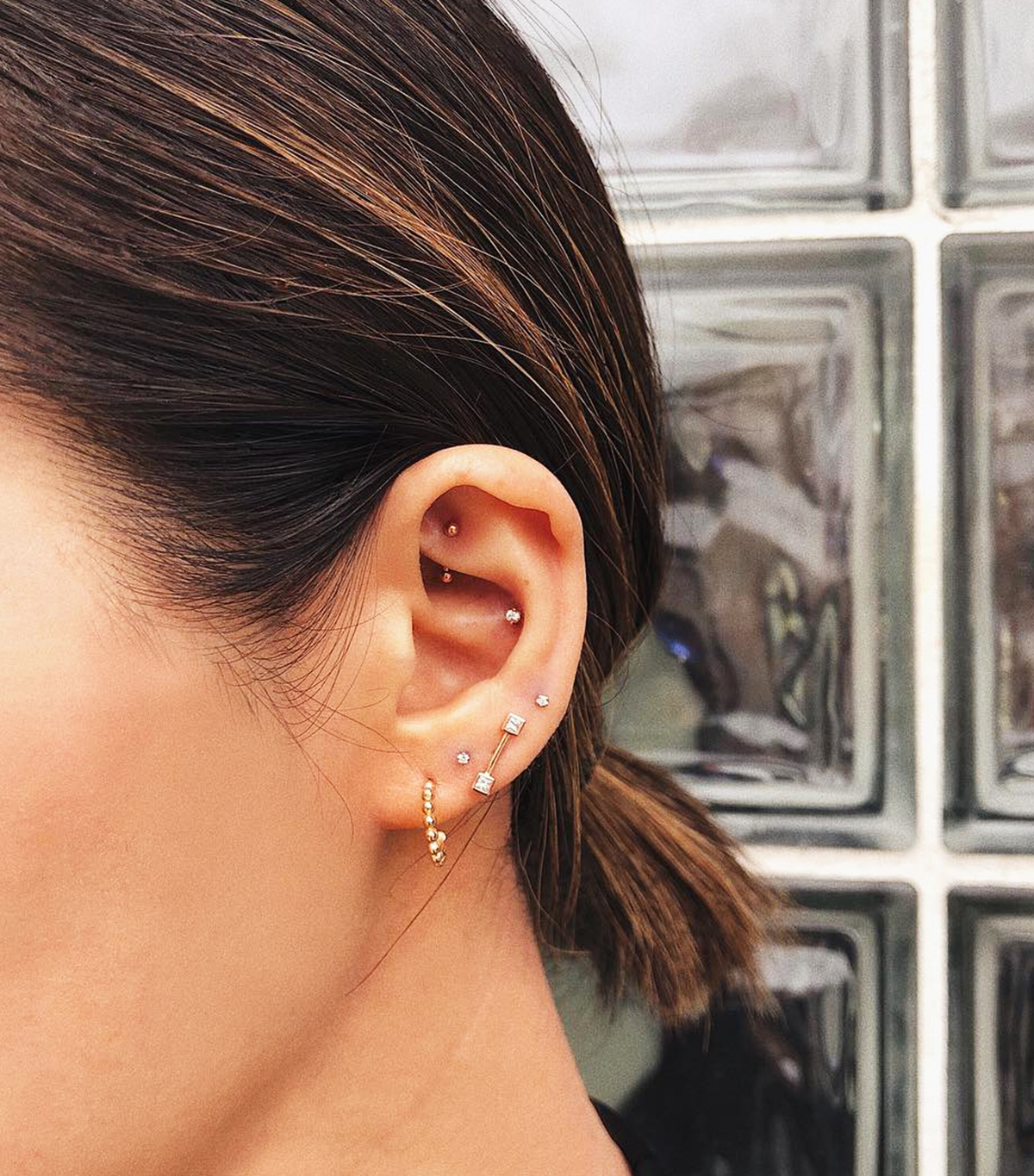
Having multiple piercings in one ear is a popular trend. These may be aligned across the helix, upper lobe, or around the rim of the ear. With careful placement, multiple piercings can enhance the ear’s natural shape or symmetry. Some people use piercings to create visual balance between both ears, especially if their ears are slightly asymmetrical.
While these piercings don't alter the structure permanently, they may give the appearance of a more defined ear outline. Jewelry arrangement plays a large role here. For instance, a series of small studs along the upper helix might make the ear appear more elongated, while cluster piercings on the lobe can add fullness to its look.
Personal Perception and Ear Aesthetics
The shape of the ear is unique to each individual. What might seem like a change in shape to one person may simply be a different visual emphasis brought on by the piercing. Earrings tend to draw attention to specific areas, highlighting curves, edges, or the ear's silhouette. This can create the perception of a change without any physical transformation taking place.
People often find that certain earring styles or placements flatter their ear shape more than others. As a result, piercings become a tool to enhance, rather than alter, natural beauty. The freedom to choose placement and jewelry design adds to the appeal.
Does Healing Influence Shape?
Healing is a natural process following any piercing. During this time, the surrounding tissue adjusts to the jewelry. This process does not typically cause shape changes unless the ear was pierced in a way that alters the skin’s surface significantly. As the tissue settles, it tends to conform around the jewelry comfortably.
Some people find that their ears feel slightly different to the touch during the healing period, but this is often temporary. Once the piercing stabilizes, the ear returns to its regular state with the added benefit of adornment.
Choosing the Right Placement
When considering how Ear Piercing in Dubai might affect ear shape, the placement is key. Central placements along the lobe tend to remain discreet and neutral, while outer rim placements may enhance the ear’s contours. Inner placements like the tragus or daith add a layered aesthetic without influencing the broader shape.
Choosing placement based on the natural form of the ear allows for a harmonious result. Each ear has its own unique structure, so what looks good on one person might not have the same effect on another. Personal preference, ear shape, and desired style all come into play.
Fashion and Visual Illusion
Earrings are not just ornaments—they also act as visual enhancers. Depending on their size, shape, and position, earrings can draw the eye in ways that create an illusion of shape change. For example, vertical dangles can make ears look longer, while hoops might make them appear rounder. These are not true alterations but rather visual effects created by design.
This means that people can experiment with various styles to complement their features without committing to permanent changes. It's a playful way to engage with personal style while appreciating the art of piercing.
Ear Piercing and Symmetry
Some individuals use piercings as a way to create symmetry. For ears that are slightly different in shape or height, strategic piercing placement can make both ears appear more balanced. Symmetry is a key aspect of aesthetic appeal, and piercings offer a subtle yet effective way to enhance it.
The impact on symmetry is more about appearance than structural modification. With symmetrical jewelry on both ears, the facial profile can appear more aligned and polished, contributing to overall aesthetic confidence.
FAQs
Can a single piercing change the overall shape of the ear? A single piercing usually does not change the overall shape. It may enhance or draw attention to a specific part of the ear but rarely results in a structural difference.
Do heavier earrings make the ears look different? Heavier earrings can create a slight droop in the earlobe if worn consistently. This is more of a cosmetic change than a structural one.
Is cartilage piercing more likely to affect ear shape? Cartilage is more rigid and less likely to change shape, though the positioning of jewelry may influence the appearance of contours.
Can piercings improve the look of asymmetrical ears? Yes, strategic placement can create the appearance of symmetry and balance between both ears.
Do multiple piercings make ears look larger or smaller? The appearance depends on jewelry arrangement. Multiple piercings can add visual interest, making ears seem more defined without changing their size.
Conclusion
Ear piercing is a powerful form of personal expression that typically complements the ear’s natural shape. While it may create visual effects or enhance existing contours, it does not usually alter the ear structurally. Each piercing adds to the individuality and beauty of the ear, celebrating its unique form. Whether choosing a single stud or a curated set of piercings, individuals can enjoy the creative journey without concern for significant shape changes.