Home healthcare is a rapidly expanding field offering fulfilling career paths for individuals who want to make a meaningful impact on the lives of others. This branch of healthcare brings essential medical and personal assistance directly to individuals in the comfort of their own homes. With a growing demand for in-home care, professionals in this field are more essential than ever.
The Role of Home Healthcare:
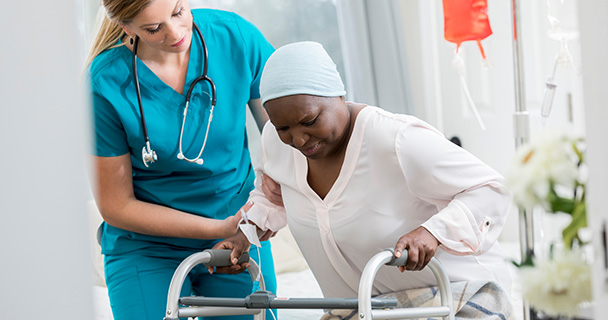
Home Healthcare Dubai professionals support individuals dealing with chronic illnesses, disabilities, aging, or recovery from surgery. They play a crucial role in helping clients maintain their independence while receiving the care they need.
What Does Home Healthcare Involve?
This form of care encompasses both medical and non-medical services. It can include basic health monitoring, help with personal hygiene, mobility support, medication reminders, and companionship. The services vary depending on the client's condition and needs.
Types of Home Healthcare Professionals:
Several professionals contribute to home healthcare. Some of the most common roles include:
Home Health Aides (HHAs): Provide support with daily activities such as bathing, dressing, and mobility.
Certified Nursing Assistants (CNAs): Assist with basic healthcare tasks under the supervision of registered nurses.
Licensed Practical Nurses (LPNs): Provide nursing care such as wound dressing, medication administration, and vital sign monitoring.
Registered Nurses (RNs): Coordinate care, develop care plans, and manage more complex medical needs.
Physical and Occupational Therapists: Support patients in regaining strength, movement, and independence.
Skills Needed for Home Healthcare Careers:
Home healthcare professionals must possess a unique combination of technical skills and personal qualities. Working one-on-one with clients in their homes demands flexibility, empathy, and a deep sense of responsibility.
Interpersonal Communication:
Strong communication skills are essential. Professionals need to effectively communicate with clients and their families while also keeping accurate records and reporting to supervisors.
Empathy and Patience:
Many clients are experiencing physical or emotional challenges. Professionals must remain patient, calm, and understanding, creating a safe and supportive environment.
Time Management and Organization:
Since home healthcare workers often care for multiple clients, they must manage their time effectively. Organizational skills ensure each client receives appropriate attention and care.
Technical Proficiency:
Depending on the role, a professional may need to perform medical procedures, use health monitoring equipment, or document health data accurately. Proper training ensures these tasks are completed safely and effectively.
Education and Training:
The educational path varies depending on the specific career goal within home healthcare. While some roles require only a high school diploma and certification, others demand more extensive formal education.
Entry-Level Positions:
Roles such as home health aides or nursing assistants typically require completion of a certified training program. These programs cover essential topics like basic care techniques, emergency response, and client rights.
Advanced Healthcare Roles:
More specialized positions, such as licensed practical nurses or registered nurses, require advanced education such as a nursing diploma, associate degree, or bachelor's degree in nursing. These professionals also need to pass national licensing exams and meet continuing education requirements.
Ongoing Professional Development:
Home healthcare professionals often participate in workshops and training sessions to stay updated on best practices, emerging healthcare technologies, and changes in patient care protocols.
Benefits of a Home Healthcare Career:
This career path offers several advantages that appeal to those seeking meaningful work and a flexible environment.
Personalized Connections:
Unlike hospital settings, Home Healthcare in Dubai allows professionals to develop closer relationships with clients. This connection fosters trust and contributes to more personalized, effective care.
Flexible Work Environments:
Many home healthcare roles offer flexible schedules, allowing professionals to better balance work with personal life. This flexibility can be especially appealing for those seeking part-time or adaptable hours.
Opportunities for Growth:
As demand for home-based care increases, there are expanding opportunities for advancement. Professionals can pursue specialized certifications, leadership roles, or further education to advance their careers.
Challenges to Consider:
While rewarding, home healthcare does come with its own set of challenges.
Emotional Demands:
Providing care for individuals facing health struggles can be emotionally intense. Professionals must learn to navigate these emotions while remaining supportive and resilient.
Working Independently:
Many roles require working independently without direct supervision. This demands a high degree of self-discipline and confidence in decision-making.
Adaptability:
Each client has unique needs and home environments. Professionals must quickly adapt to different settings and preferences while maintaining a consistent standard of care.
Is a Career in Home Healthcare Right for You?
Choosing a home healthcare career depends on your interests, strengths, and long-term goals. It suits those who are compassionate, reliable, and enjoy building lasting relationships with the people they help.
Key Questions to Ask Yourself:
Do I enjoy helping others and making a difference in their daily lives?
Am I comfortable working in different home environments?
Can I manage responsibilities independently and stay organized?
Am I emotionally prepared to support clients through difficult times?
If you answered yes to most of these questions, a home healthcare career may be a great fit for you.
Preparing for a Career in Home Healthcare:
Taking the first steps into this field involves research, training, and a willingness to learn. Look into programs that offer hands-on training and certification. Many organizations also provide mentorship opportunities or job shadowing experiences to help you get a feel for the role.
Gaining Experience:
Even informal caregiving experience—like assisting a family member—can provide valuable insights and demonstrate your commitment to future employers.
Staying Informed:
Healthcare is a dynamic field. Staying informed about industry changes, patient care techniques, and evolving technologies is key to professional success.
Conclusion:
A career in home healthcare offers a powerful opportunity to make a meaningful impact in someone’s life every single day. While it requires dedication, compassion, and adaptability, the rewards go far beyond the basics of a job. By choosing this path, you're not just building a career—you're becoming a trusted partner in someone’s journey to wellness and independence.