Managing health and pain within the comfort of your own home is a valuable approach for many individuals seeking convenience and control over their well-being. Home healthcare encompasses a broad spectrum of services and techniques designed to promote healing, manage chronic conditions, and alleviate pain effectively. This article explores various strategies and methods to support health and manage pain in a home setting.
Understanding Home Healthcare
Home Healthcare Dubai refers to a range of medical and supportive services delivered in the home environment. It allows individuals to recover from illness or injury, manage ongoing health conditions, and maintain overall wellness without frequent hospital visits. This approach focuses on personalized care tailored to the unique needs of each person.
Importance of Home Healthcare
One of the key advantages of home healthcare is the ability to create a familiar and comfortable environment that can positively impact recovery and well-being. The home setting often reduces stress, fosters independence, and provides flexibility in care routines.
Components of Home Healthcare
Home healthcare may include monitoring vital signs, assistance with daily activities, medication management, wound care, physical therapy exercises, and education on lifestyle modifications. These services aim to support both physical and emotional health.
Pain Management Strategies at Home
Pain management at home requires a thoughtful approach that combines multiple techniques to control discomfort and improve quality of life. Whether dealing with chronic pain or recovering from an injury, implementing effective strategies can significantly enhance daily functioning.
Creating a Comfortable Environment
A pain-friendly home environment is essential for successful management. Ensuring that living spaces are ergonomically arranged, with supportive furniture and easy access to necessities, can reduce strain and prevent exacerbation of pain.
Regular Movement and Gentle Exercise
Engaging in appropriate physical activity is crucial for managing pain and maintaining mobility. Gentle stretching, walking, or prescribed exercises can help strengthen muscles, improve circulation, and reduce stiffness.
Heat and Cold Therapy
Applying heat or cold to painful areas is a common strategy to alleviate discomfort. Heat therapy relaxes muscles and increases blood flow, while cold therapy helps reduce inflammation and numb sharp pain. Alternating between these methods, as suited to the type of pain, can provide relief.
Relaxation Techniques
Incorporating relaxation practices such as deep breathing, meditation, or guided imagery can help manage pain by reducing muscle tension and calming the nervous system. These techniques also support mental well-being, which is closely linked to pain perception.
Proper Sleep Hygiene
Quality sleep is vital for pain management. Establishing a consistent sleep schedule, creating a restful bedroom environment, and avoiding stimulants before bedtime contribute to better sleep, which in turn supports healing and reduces pain sensitivity.
Nutrition and Hydration
A balanced diet rich in essential nutrients supports overall health and tissue repair. Staying well-hydrated aids in maintaining bodily functions and can influence pain levels indirectly by promoting optimal physiological conditions.
Monitoring and Managing Symptoms
Keeping track of symptoms and pain levels can empower individuals to adjust their management strategies effectively. Maintaining a pain diary or log helps identify triggers and patterns, enabling better control over discomfort.
Recognizing Pain Triggers
Identifying activities, positions, or environmental factors that increase pain allows for targeted modifications. Avoiding or adapting these triggers can prevent flare-ups and reduce the intensity of pain.
Communication with Caregivers
Effective communication between individuals and their caregivers or family members is vital for coordinated care. Sharing observations about pain, mobility, and mood can help tailor interventions and provide emotional support.
Incorporating Assistive Devices
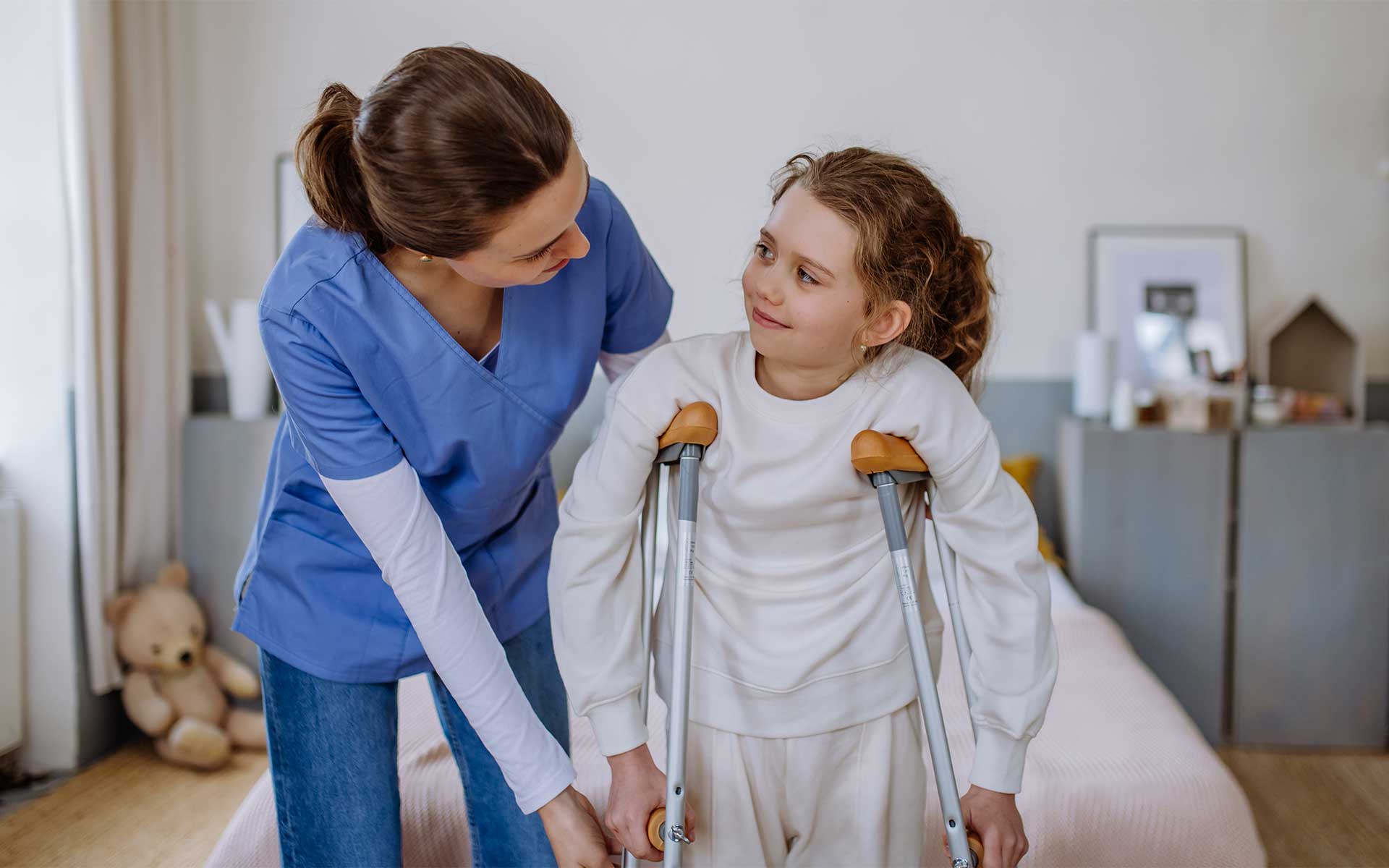
Assistive devices play an important role in enhancing independence and reducing pain during daily activities. Items such as braces, splints, or ergonomic tools can provide support and minimize strain on affected areas.
Using Supportive Equipment Safely
It is important to learn the correct use of assistive devices to maximize their benefits and prevent injury. Guidance on fitting and adjustments ensures comfort and effectiveness.
Emotional and Psychological Support
Pain often has an emotional component that influences how it is experienced and managed. Addressing psychological aspects is an essential part of a holistic pain management plan.
Mind-Body Connection
Understanding the relationship between emotions and physical pain helps individuals develop coping skills. Techniques like mindfulness and positive visualization can reduce distress and improve resilience.
Seeking Support Networks
Engaging with family, friends, or support groups provides a sense of connection and shared experience. Social support can alleviate feelings of isolation and encourage adherence to management plans.
Establishing Routines and Consistency
Consistency in daily routines promotes stability and predictability, which are beneficial for both health and pain control. Structured schedules for medication, exercise, meals, and rest create a balanced framework.
Setting Realistic Goals
Establishing achievable objectives helps maintain motivation and measures progress. Goals may include increasing activity levels, improving sleep patterns, or reducing pain episodes.
Flexibility and Adaptation
While routine is important, being adaptable to changes in condition or circumstances ensures ongoing effectiveness. Adjusting strategies based on current needs allows for responsive and personalized care.
Preventing Complications
Proactive measures at home can prevent worsening of conditions and additional health issues related to pain and immobility.
Skin Care and Pressure Management
For individuals with limited mobility, protecting the skin from pressure sores is crucial. Regular repositioning, using cushions, and keeping skin clean and moisturized are key preventive steps.
Maintaining Joint and Muscle Health
Avoiding prolonged immobility and incorporating range-of-motion exercises helps maintain joint flexibility and muscle strength, reducing the risk of stiffness and contractures.
The Role of Education
Education empowers individuals to take an active role in their healthcare. Learning about their condition, pain mechanisms, and management options builds confidence and promotes informed decision-making.
Understanding Pain Types
Different types of pain, such as neuropathic or musculoskeletal, require specific approaches. Understanding these distinctions helps in selecting appropriate strategies.
Awareness of When to Seek Further Help
Knowing the signs that warrant medical attention ensures timely intervention. This includes sudden changes in pain intensity, new symptoms, or worsening of overall health status.
Conclusion
In conclusion, Home Healthcare in Dubai pain management strategies focus on creating a supportive environment, incorporating physical and psychological techniques, and maintaining consistent routines. This comprehensive approach helps individuals effectively manage pain and enhance their quality of life while staying in the comfort of their own home. With careful planning, monitoring, and support, home-based care can be a powerful tool for health and well-being.