Hair transplant longevity is a common question for anyone considering this procedure. The process involves moving healthy hair follicles from one part of the scalp to another where hair growth is thinning or absent. Since the follicles used are typically resistant to thinning, the results can be long-lasting. However, many wonder whether these results are permanent or if the hair may eventually thin again over time.
The Nature of Transplanted Hair
Hair Transplant Dubai is usually taken from areas known for their genetic resistance to thinning. This makes the transplanted follicles more durable once moved to their new location. Unlike hair in thinning-prone areas, these follicles tend to keep growing naturally and continue to cycle just like normal hair. This gives them the ability to blend seamlessly with existing strands, creating a natural appearance that can last for years.
Factors That Influence Longevity
Several factors play a role in determining how long hair transplant results will last. While transplanted follicles are often permanent, the surrounding natural hair may still thin with time. Age, overall hair health, and individual genetic patterns are major contributors to how results evolve. For many, the transplanted hair remains intact for a lifetime, but additional thinning of the original hair around it can create the need for future touch-ups.
Does Age Impact Longevity?
Age often plays a role in how hair transplants hold up over time. Younger individuals might see changes as their natural hair continues to thin, making transplanted sections stand out more in the future. Older individuals with more stabilized patterns of thinning may find their results last longer without noticeable changes. Each person’s genetic makeup determines how hair behaves as the years progress.
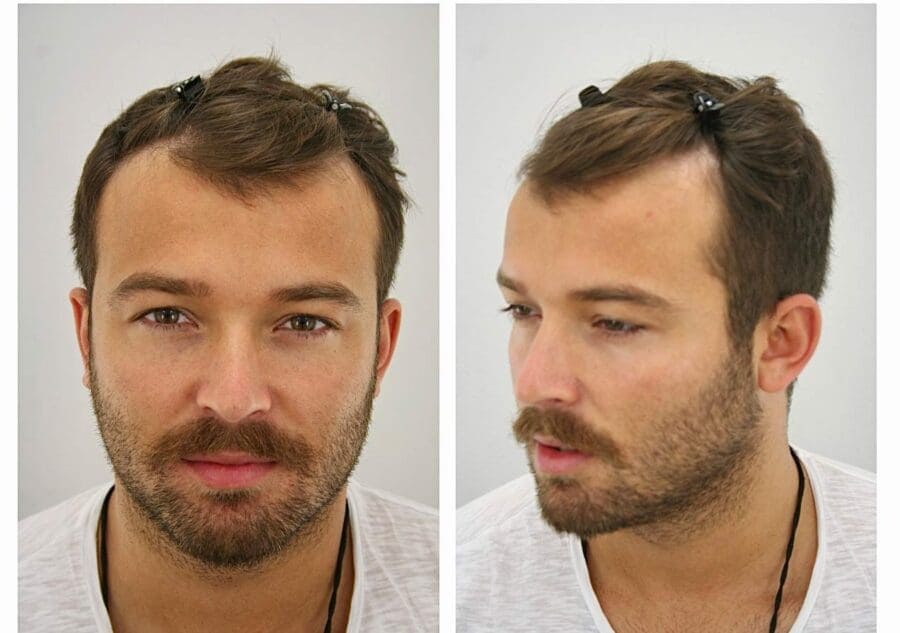
Hair Transplant vs. Natural Hair Growth
The key difference between transplanted hair and natural hair in thinning-prone areas lies in genetic resistance. Transplanted follicles usually maintain their natural growth cycle for life. However, natural hair that remains in the surrounding areas may still thin. This contrast can affect how full the hair looks in the long run, leading some to consider more than one session to achieve consistent coverage.
Lifestyle and Hair Health
Healthy habits can help support overall hair strength and appearance. Factors like a balanced diet, reduced stress, and proper scalp care contribute to a better environment for hair growth. While lifestyle cannot change genetics, it can support healthier-looking hair and enhance the longevity of the transplant’s appearance.
Can Transplanted Hair Thin Over Time?
Although transplanted follicles are considered resistant to thinning, they are not completely immune to natural aging. As a person gets older, changes in hair texture, density, and growth speed can occur. This does not mean the hair disappears but that its appearance may evolve, just like natural hair does with age.
Common Misconceptions About Longevity
There are several myths surrounding hair transplant longevity. One misconception is that results are temporary. In reality, the transplanted follicles usually last for decades. Another myth is that all the hair will fall out after a certain period. In truth, transplanted follicles follow a normal cycle of shedding and regrowth, which can be mistaken for loss but is part of natural growth.
FAQs
How long does transplanted hair really last?
Transplanted hair can last a lifetime since it is taken from areas genetically resistant to thinning. However, the surrounding natural hair may continue to thin, which can affect overall density.
Does transplanted hair need special maintenance to last longer?
Transplanted hair does not require special maintenance beyond what is recommended for natural hair. Regular washing and healthy care habits are usually enough to maintain a natural appearance.
Can a hair transplant stop future thinning?
A hair transplant cannot stop the progression of natural thinning in untreated areas. It only relocates resistant follicles to areas where hair has been lost, making those transplanted hairs more permanent.
Will the results look natural after many years?
If done properly, transplanted hair continues to blend naturally even years after the procedure. Because it grows like regular hair, it adapts to changes over time and remains consistent with natural growth patterns.
Long-Term Outlook for Hair Transplants
Most people find that their hair transplant provides long-term satisfaction. The results tend to be lasting, especially when the procedure is carried out with attention to natural patterns of growth. Over the years, minor adjustments may be considered depending on how surrounding hair changes, but the transplanted follicles generally remain reliable.
The Psychological Impact of Longevity
Beyond physical appearance, the lasting nature of a hair transplant can positively influence self-image and confidence. Knowing that the transplanted hair will continue to grow for years provides reassurance and helps individuals feel more secure in their overall look.
Conclusion
Hair Transplant in Dubai longevity often extends well into a person’s lifetime, thanks to the use of genetically resistant follicles. While surrounding natural hair may thin over time, the transplanted strands typically remain strong and consistent. Each individual’s experience varies depending on genetics, age, and overall hair health, but most find the results long-lasting and satisfying. Understanding how transplanted hair behaves in the long run helps set realistic expectations and highlights why this procedure is often seen as a reliable solution for hair restoration.