Hair loss in balding areas can be frustrating, especially when it’s more than just shedding—it’s a visible transformation that affects confidence and appearance. When receding hairlines or thinning crowns become noticeable, many seek reliable and lasting solutions. While some might try to conceal the issue, others look for options that address the root of the problem. Let's delve into Hair Transplant Dubai
Why Hair Transplant Is Considered a Real Fix
Hair transplant stands out as a real solution for balding areas because it doesn't just cover up the problem—it solves it. It involves moving healthy hair follicles from denser areas of the scalp to those experiencing hair loss. Once transplanted, these hairs grow naturally, blending with the existing hair and restoring fullness.
The approach is particularly useful for those with patterned baldness, patchy spots, or visible scalp that hasn’t responded to other measures. It’s ideal for those who want natural-looking density and don’t want to depend on temporary fixes.
Areas Commonly Treated with Hair Transplants
Frontal Hairline
The hairline plays a significant role in framing the face. When it begins to recede, it can make someone appear older or more tired. A well-executed transplant can rebuild the hairline in a way that suits the person’s natural look and enhances facial symmetry.
Crown and Vertex
The top and back portions of the scalp, often known as the crown or vertex, are commonly affected by hair thinning. These areas can be restored with follicle transplants that fill in gaps and restore a fuller, more even appearance.
Temples and Side Patches
Hair loss at the temples creates unevenness that’s visible from multiple angles. A transplant here creates better continuity between the hairline and sides. For those experiencing patchy loss on the sides or near the ears, targeted grafts can provide a subtle but significant enhancement.
Who Can Benefit Most from Hair Transplants
Hair transplants are suitable for those with stable hair loss, meaning the pattern of thinning has slowed or become predictable. The presence of healthy donor hair is essential. Whether dealing with a wide bald spot or specific patches, the key is having sufficient density in unaffected areas to allow redistribution.
People with thick hair texture often see great results, as fewer transplanted hairs are needed to create the appearance of fullness. However, those with fine or curly hair also benefit, depending on the design and strategy used.
How the Process Works
A hair transplant involves harvesting individual follicles or strips of hair from areas like the back or sides of the head. These follicles are then implanted into thinning or balding zones. Once the follicles take root, they start to grow new hair, usually within a few months.
Over time, the new hair continues to grow, making it indistinguishable from the rest. Since the follicles come from the same person, there’s no mismatch in color or texture.
Natural Results That Blend Seamlessly
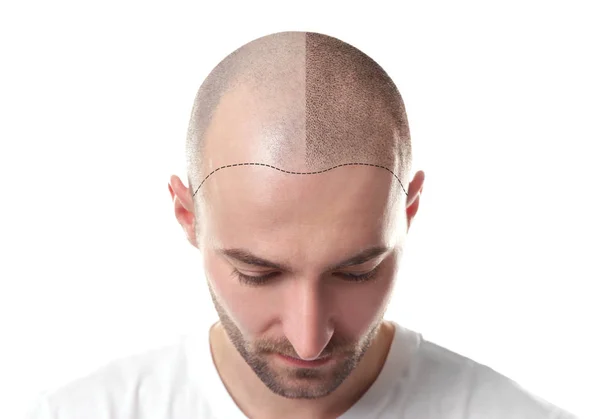
The most appealing part of a hair transplant is how natural the results look when done correctly. The direction, angle, and density of each graft are carefully planned to mimic natural growth patterns. Whether the goal is subtle improvement or dramatic transformation, a well-performed transplant can make a noticeable difference without looking artificial.
People often report feeling more confident and comfortable in social and professional settings after their new hair grows in. It’s not just about aesthetics—it’s about regaining a sense of control.
Long-Term Satisfaction and Reliability
One of the biggest reasons people consider a transplant is the long-term satisfaction it offers. Unlike temporary solutions, the results can last for many years. Once the transplanted follicles are fully established, they grow just like natural hair. Regular grooming, styling, and washing can be done without worry.
This makes it a popular option for those tired of temporary patches or cover-ups. It provides a consistent look day after day, without the need for constant maintenance.
Styling Freedom Returns
With fuller hair comes styling freedom. Many who undergo the procedure enjoy being able to experiment with hairstyles that weren’t possible before. Whether it’s combing forward, parting at the side, or even letting the wind blow through it, the options expand with a fuller head of hair.
It’s no longer about hiding thin spots—it’s about expressing personality and taste through hair again.
Boost in Personal Confidence
Hair restoration often brings more than just physical change. Many individuals report a strong emotional uplift. Social outings, photographs, and face-to-face interactions become easier and more enjoyable. The change may seem small to others, but for the individual, it’s often deeply personal and empowering.
Frequently Asked Questions
What Makes a Good Candidate for Hair Transplant?
A good candidate is someone experiencing hair loss with healthy hair in other areas of the scalp to serve as donor material. It's also important that the individual has realistic expectations and is committed to the process.
Is the New Hair Permanent?
Yes, the transplanted follicles are generally resistant to the hormones that cause balding. Once established, they grow just like the rest of your natural hair.
How Soon Can New Hair Growth Be Seen?
Most people begin to see noticeable growth within a few months, with more significant changes visible over six to twelve months.
Can Hair Be Styled Normally After Transplant?
Absolutely. Once the new hair has fully grown in, it can be cut, dyed, and styled just like the rest of the natural hair.
Is It Suitable for Both Men and Women?
Yes, both men and women can benefit from the procedure, especially those dealing with specific thinning areas that have not responded to other methods.
How Is the Hairline Designed?
The hairline is crafted based on facial features, age, and natural hair patterns. The aim is always to create a natural and age-appropriate look.
Final Thoughts
Hair Transplant in Dubai is more than just a cosmetic option—it’s a reliable solution for those who want real change in areas affected by hair loss. It restores not only hair but also confidence and a sense of self. With natural-looking results and long-term benefits, it offers a way forward for anyone looking to address balding areas with something that truly lasts.