Bone grafting is a procedure designed to strengthen or rebuild the jawbone to support dental implants. It involves placing bone material in areas where the bone has diminished, ensuring that dental implants have a solid foundation.
Why Bone Grafting is Important for Implants
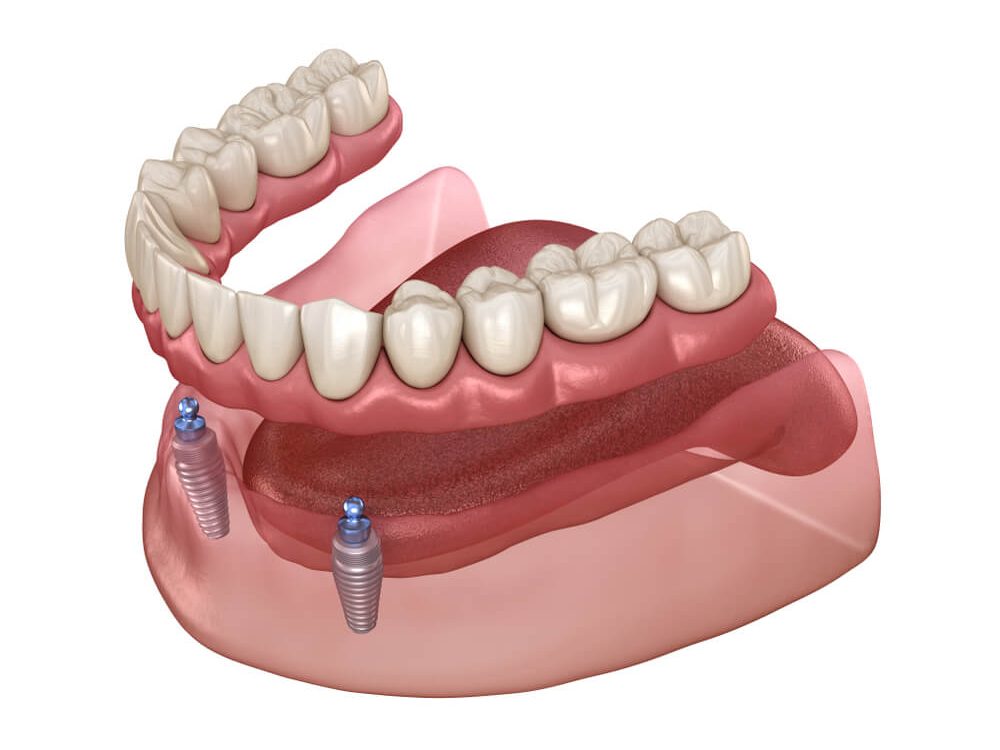
Dental Implants Dubai require sufficient bone density to integrate properly. When the jawbone lacks the necessary volume or quality, bone grafting provides the support needed for implants to function effectively. This procedure can restore lost bone and improve implant stability.
Types of Bone Grafting
Autograft Bone Grafting
This type uses bone taken from another area of the patient’s body. It is considered highly effective because the bone is naturally compatible with the body, promoting better integration and faster healing.
Allograft Bone Grafting
Allograft grafts involve bone obtained from a donor. These grafts are processed to ensure safety and are often used when larger volumes of bone are needed. They provide a strong foundation for implant placement without requiring additional surgical sites on the patient.
Xenograft Bone Grafting
Xenografts are derived from animal sources, typically bovine. They are carefully treated to be safe for human use. This type of graft is useful in cases where significant bone volume is needed to support implants.
Synthetic Bone Grafting
Synthetic materials mimic natural bone and provide a scaffold for new bone growth. These materials are biocompatible and can effectively support implants while gradually being replaced by natural bone over time.
How Bone Grafting Supports Dental Implants
Enhancing Bone Density
Dental implants rely on strong bone to anchor properly. Bone grafting increases bone density, creating a stable environment for implants to integrate with the jawbone.
Maintaining Jaw Structure
Bone loss in the jaw can alter facial structure and affect dental alignment. Grafting helps restore the natural contours of the jaw, ensuring that implants fit seamlessly with existing teeth.
Promoting Implant Longevity
Strong bone around an implant reduces the risk of movement or failure. Bone grafting strengthens the jaw, which can contribute to the long-term success of dental implants.
Addressing Bone Deficiencies
Bone loss can occur due to tooth extraction, trauma, or periodontal disease. Bone grafting addresses these deficiencies, enabling patients who may have been unsuitable for implants to undergo treatment successfully.
Procedure Overview
Initial Assessment
Before bone grafting, a thorough assessment determines the extent of bone loss and the most suitable grafting method. Imaging technology often helps evaluate bone volume and density.
Grafting Process
The bone material is carefully placed in the area where the jawbone is insufficient. It is then stabilized, allowing the body to gradually integrate the graft with existing bone.
Healing and Integration
Healing time varies depending on the type of graft and the patient’s individual condition. During this period, the bone graft gradually fuses with the jawbone, creating a solid base for implant placement.
Who Can Benefit from Bone Grafting
Patients with Bone Loss
Individuals who have experienced bone loss due to extraction, periodontal disease, or trauma can benefit from bone grafting to restore the jawbone for dental implants.
Patients Seeking Long-Term Implant Success
Bone grafting is ideal for patients aiming for dental implants that last. By providing sufficient support, the procedure helps improve the overall stability and durability of implants.
Patients with Delayed Implant Placement
In cases where dental implants cannot be placed immediately after tooth loss, bone grafting can maintain bone volume, allowing for successful implant placement later.
Advantages of Bone Grafting for Dental Implants
Improved Implant Stability
Bone grafting ensures that implants are securely anchored, reducing the risk of movement or loosening over time.
Enhanced Aesthetic Results
By rebuilding lost bone, grafting helps maintain facial contours and a natural-looking smile.
Expanded Eligibility for Implants
Patients who may have been deemed unsuitable for dental implants due to insufficient bone can often become candidates after bone grafting.
Preservation of Jaw Function
Restoring the bone helps maintain the jaw’s strength and function, allowing patients to chew and speak comfortably.
Common Questions About Bone Grafting and Implants
How Long Does the Bone Grafting Take to Heal?
Healing can vary but generally takes several months. The graft integrates with the jawbone during this period, providing a strong foundation for implant placement.
Is Bone Grafting Always Necessary?
Bone grafting is only necessary when there is insufficient bone to support an implant. In cases where the jawbone is already strong, implants can be placed without grafting.
Can Bone Grafting Fail?
Success rates are high, but the outcome depends on factors like bone quality, the graft type, and overall oral health. Proper assessment and planning help minimize the risk of failure.
How Soon Can Implants Be Placed After Grafting?
The timing for implant placement depends on the graft type and healing progress. Some procedures allow for implants to be placed shortly after grafting, while others require a longer healing period.
Are There Alternatives to Bone Grafting?
In certain cases, shorter or narrower implants may be used if bone volume is limited. However, bone grafting is often the most reliable way to ensure long-term implant success.
Final Thoughts
Bone grafting plays a crucial role in modern dental implant procedures. It addresses bone deficiencies, strengthens the jaw, and increases the chances of long-term implant stability. For patients seeking reliable, durable dental implants, bone grafting can make a significant difference in both function and appearance. By understanding the process and benefits, patients can make informed decisions about their oral health and achieve successful outcomes with dental implants.
Bone grafting ensures that even those with reduced bone volume can enjoy the benefits of Cheapest Dental Implants in Dubai, combining structural support with natural-looking results. It represents a key step in creating a healthy, functional, and aesthetically pleasing smile.
Bone grafting provides more than just a foundation for dental implants; it helps restore confidence in one’s smile and maintains the integrity of the jaw over time. For many patients, it is the essential procedure that transforms the implant experience into a lasting solution.