Dental veneers are thin, custom-made shells designed to cover the front surface of teeth. They are often crafted from durable materials to mimic the natural look of enamel. While many people think of veneers as purely cosmetic, they can also play a role in improving dental function. Beyond enhancing smiles, they may contribute to correcting certain bite concerns.
How Veneers Interact with the Bite
A person’s bite refers to how the upper and lower teeth come together when the mouth closes. If the alignment is slightly off, it can cause uneven wear, discomfort, or difficulty when chewing. Dental Veneers Cost Dubai can help by subtly adjusting the shape, size, and position of teeth, allowing for a more harmonious bite. This is especially useful when bite issues are due to minor misalignments rather than significant structural problems.
Types of Bite Problems That May Benefit
Overbite Adjustments
In cases of a mild overbite, veneers can be placed on the upper teeth to slightly change their position or length, helping the bite close more evenly.
Underbite Considerations
When the lower teeth extend beyond the upper teeth, veneers on upper teeth can sometimes bring the alignment closer to ideal. This depends on the severity of the underbite and whether other treatments are necessary.
Crossbite Improvement
If certain upper teeth fit inside the lower teeth when biting down, veneers can reshape them to create better contact and distribution of pressure.
Open Bite Adjustments
For minor open bites, where the front teeth do not meet when the mouth is closed, veneers can help close small gaps by modifying the tooth surfaces.
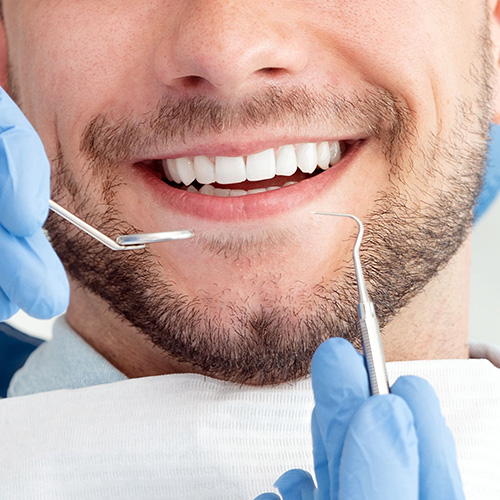
Functional Benefits Beyond Aesthetics
While many appreciate veneers for their visual transformation, functional improvements can be just as valuable. Correcting small bite irregularities can lead to:
More comfortable chewing and speaking
Reduced strain on certain teeth
Prevention of uneven tooth wear
Better overall tooth alignment in light bite corrections
Limitations of Veneers for Bite Correction
Veneers are best suited for mild to moderate bite issues. Severe bite misalignments often require orthodontic treatment to move the teeth and jaw into the correct position. Veneers cannot change jaw alignment or correct deep structural problems, but they can provide a refined finish after orthodontic adjustments.
Why a Proper Bite Matters
A well-aligned bite is more than just a cosmetic goal. It affects oral health, comfort, and even long-term tooth stability. When the bite is balanced:
Teeth experience even pressure when chewing
Jaw muscles function more efficiently
Risks of chipping or premature wear are reduced Veneers can be a valuable part of this balance when used appropriately.
The Role of Customization
Each veneer is tailored to fit the individual’s teeth precisely. The customization process allows for adjustments in shape, thickness, and angle to enhance bite function. This personalization is key to ensuring both a natural appearance and effective alignment improvement.
Combining Veneers with Other Treatments
In many cases, veneers are used in combination with other dental solutions to achieve the best functional results. For instance, minor orthodontic work might be completed before veneers are placed to optimize both appearance and bite function. This collaborative approach can provide a more lasting and balanced outcome.
FAQs
Can veneers fix all bite problems?
No, veneers are most effective for minor bite issues. Severe alignment problems often require orthodontic intervention.
Do veneers feel different when biting?
When done correctly, veneers should feel natural and comfortable. In fact, they may make the bite feel more even in some cases.
Are veneers a long-term solution for bite issues?
Dental Veneers Cost in Dubai can last for many years and maintain bite improvements if cared for properly. However, they work best when combined with good oral habits.
Will veneers change how I chew?
If veneers correct a small bite irregularity, they can make chewing more efficient. Most people adapt to the change quickly.
Can veneers prevent teeth from wearing down due to bite problems?
Yes, by creating an even surface and improving contact between teeth, veneers can help protect them from uneven wear.
Final Thoughts
Dental veneers are often seen as purely cosmetic, but their potential to help with certain bite problems should not be overlooked. They can adjust the way teeth meet, enhance comfort, and protect against uneven wear, all while improving the smile’s appearance. For those with minor bite concerns, veneers can be a functional and aesthetic choice that blends seamlessly into a natural-looking smile.