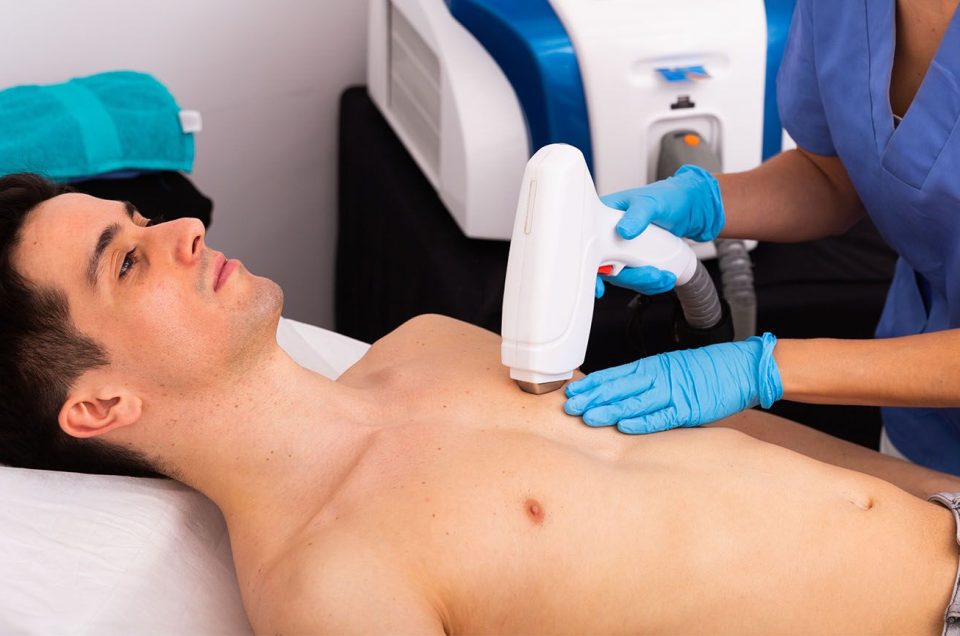
Laser hair removal is a popular method for achieving long-term hair reduction. It works by targeting the pigment in hair follicles using concentrated light energy. While the results can be impressive, the treatment leaves the skin more sensitive than usual. After a session, the skin typically experiences a period of healing and rejuvenation. During this time, many wonder whether exfoliation is safe or helpful.
The Purpose of Exfoliation
Exfoliation helps remove dead skin cells from the surface of the skin. This process promotes smooth, healthy-looking skin and can also reduce the likelihood of clogged pores and ingrown hairs. However, after a Laser Hair Removal Dubai session, the timing and method of exfoliation become especially important.
When Is It Safe to Exfoliate?
It is generally recommended to wait before exfoliating the treated area. The skin needs time to recover, and exfoliating too soon can interfere with that natural process. The ideal timeframe to resume exfoliation is usually several days after the treatment, once the skin has calmed and any initial redness or tenderness has subsided.
Gently monitoring the skin's condition is key. If the area still feels sensitive or appears irritated, it's better to wait longer. When the skin feels normal and is no longer reactive to touch, gentle exfoliation can be introduced back into the routine.
Benefits of Gentle Exfoliation After Recovery
Once the skin has settled, exfoliating can actually support the laser hair removal process. As the skin regenerates, exfoliation can:
Help remove loosened hair shafts from the follicle
Prevent buildup of dead skin cells
Encourage smoother texture and appearance
Reduce the chance of ingrown hairs
Exfoliation should always be gentle, especially on areas that have been recently treated. Harsh scrubbing or strong techniques are not advised.
How to Exfoliate Safely
When reintroducing exfoliation after a laser session, it’s best to keep the approach simple and mindful. Using light pressure and a soft material can help avoid irritation. Focus should be on being consistent rather than aggressive. A soft routine performed a few times a week can provide results without compromising the skin’s balance.
Areas That Require More Caution
Somebody parts are more sensitive than others. Areas like the face, underarms, and bikini line may take longer to heal. For these spots, extra care should be taken. Delaying exfoliation a bit longer or choosing even gentler techniques may be more suitable.
Common Myths About Exfoliating After Laser Hair Removal
Myth: Exfoliating Too Soon Will Speed Up Hair Removal
Many assume that scrubbing the skin aggressively right after a session will make hair shed faster. However, this is not true. The hair will naturally shed over the following days or weeks. Trying to force the process can lead to irritation rather than improvement.
Myth: All Skin Types React the Same Way
Every individual’s skin reacts differently to laser hair removal. What works for one person might not be right for another. That’s why paying close attention to how your skin responds is essential before making any decisions about exfoliation.
Myth: Exfoliation Is Optional
Although it’s not mandatory, regular exfoliation can complement the hair removal process. Once healing is complete, including exfoliation as part of the skincare routine can help maintain a smooth and radiant appearance.
FAQs About Exfoliating After Laser Hair Removal
When can exfoliation begin after a laser hair removal session?
Exfoliation should be introduced only after the skin has fully recovered from the session. This usually takes several days, but it depends on how the skin reacts. Starting too early can disrupt the healing process.
Can exfoliating help reduce ingrown hairs?
Yes, once it’s safe to do so, gentle exfoliation can help keep hair follicles clear and reduce the chances of ingrown hairs forming. Regular exfoliation helps the skin renew itself and keeps the surface smooth.
What if the skin still feels sensitive?
If sensitivity lingers, it’s better to wait. The skin should not be rushed. Healing naturally before resuming any form of exfoliation is always the safer choice.
Is it necessary to exfoliate the whole body?
Only the areas that received treatment may benefit from exfoliation. There's no need to exfoliate areas that weren’t targeted unless it’s part of a regular skincare routine.
Can exfoliating cause hair to grow back?
Exfoliation doesn’t affect hair regrowth. It simply removes the dead layer of skin on the surface. Laser hair removal targets the follicle, and exfoliating afterward does not interfere with the results.
Conclusion
Exfoliating after Laser Hair Removal in Dubai can be beneficial when done at the right time and in the right way. The key is to let the skin heal first and then introduce exfoliation gently. Taking this mindful approach helps the skin remain healthy and supports the effectiveness of the laser treatment.
Each person’s skin is unique, so tuning in to how it feels and responds will guide the best approach. By staying patient and treating the skin with care, exfoliation can become a helpful part of maintaining smooth, radiant results after laser hair removal.