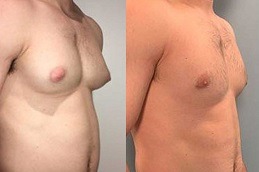
Gynecomastia is a condition that leads to the enlargement of breast tissue in males. It's not uncommon, and many individuals choose to address it through lifestyle changes or surgical treatment. Surgery often provides a permanent solution, but one question that arises is whether gynecomastia can return even after undergoing treatment. Lets delve into Gynecomastia Dubai
What Causes Gynecomastia?
Before diving into recurrence, it’s essential to understand what leads to gynecomastia in the first place. Hormonal imbalances are the primary cause, especially a disruption in the ratio of estrogen to testosterone. Other contributing factors may include age, genetics, obesity, and certain lifestyle choices. While these influences vary, they all play a role in the development of male breast tissue.
Is Gynecomastia Surgery Permanent?
Surgical intervention for gynecomastia typically involves the removal of excess breast tissue and fat, aiming for a flatter, more contoured chest. In most cases, the procedure yields long-lasting results, especially when performed on individuals who are otherwise healthy and maintain a consistent lifestyle. However, the permanence of the result depends on various individual factors, including how well the underlying causes are managed post-treatment.
Factors That May Lead to Recurrence
While surgery can significantly reduce or eliminate the enlarged tissue, gynecomastia may recur under certain circumstances. Here are a few key factors that could contribute to its return:
Hormonal Imbalance
If the original hormonal issue that triggered gynecomastia isn’t addressed or reoccurs, the condition can return. For instance, age-related hormonal changes or fluctuations may play a role in recurrence over time.
Weight Gain
Increased body fat can lead to the appearance of enlarged breasts again. Fat tissue can promote estrogen production, which can stimulate breast tissue growth. Maintaining a healthy weight helps in preserving the results.
Lifestyle Habits
Habits like irregular sleep, lack of exercise, and poor dietary choices can contribute to hormonal shifts and fat accumulation. These factors may increase the chances of recurrence if not managed properly.
Age and Natural Changes
Even with successful treatment, the body changes as it ages. Natural declines in testosterone levels can potentially cause mild regrowth of breast tissue, particularly if other risk factors are present.
How to Minimize the Risk of Recurrence
There are several ways individuals can help ensure long-term results after treatment. Though no approach guarantees permanent prevention, these practices can support a healthy outcome:
Maintain Hormonal Balance
Regular health checkups can help keep hormones in check. Staying informed about one’s hormonal health can play a role in preventing changes that may lead to a return of symptoms.
Healthy Lifestyle
Consistent exercise and a balanced diet help reduce body fat and support hormone regulation. These two factors alone can be powerful allies in preventing recurrence.
Stress Management
Chronic stress may indirectly affect hormones and overall well-being. Finding ways to relax and manage stress can have a positive impact on health and body composition.
Monitor Body Changes
Being aware of physical changes over time helps individuals detect early signs of gynecomastia returning. Prompt attention to changes may help in managing the issue before it progresses.
Can Gynecomastia Return Without Any Trigger?
In some rare cases, gynecomastia may recur even when all preventive steps are in place. This could be due to genetic predisposition or unpredictable internal shifts. Though uncommon, it's a reminder that the body can be complex and not all outcomes can be controlled.
FAQs
What are the chances of gynecomastia coming back after treatment?
Most individuals do not experience a recurrence if the underlying causes are managed. However, recurrence is possible, especially if hormonal imbalances or lifestyle factors reappear.
How long do results from treatment typically last?
Results are generally long-term, particularly if a healthy lifestyle is maintained. Nevertheless, aging or health changes may gradually affect results over time.
Is recurrence more likely with certain types of treatment?
Treatments that do not address glandular tissue may have a higher chance of recurrence. When only fat is removed, and not the glandular part, there may be a higher risk of symptoms returning.
Can exercise alone prevent gynecomastia from coming back?
Exercise helps manage body fat and supports hormonal balance, but it cannot prevent recurrence on its own. A holistic approach is more effective.
Should someone worry about recurrence after a successful procedure?
While it’s natural to be cautious, most cases are stable after successful treatment. Awareness and a proactive approach to health go a long way in maintaining the results.
Final Thoughts
Gynecomastia in Dubai can be a sensitive concern, but treatment options are effective for most individuals. While recurrence is possible, it is often linked to modifiable factors such as weight, lifestyle, or hormones. By staying mindful of these influences, many can enjoy lasting results and confidence after addressing the condition. Ultimately, the key lies in understanding the body and making choices that support long-term well-being.