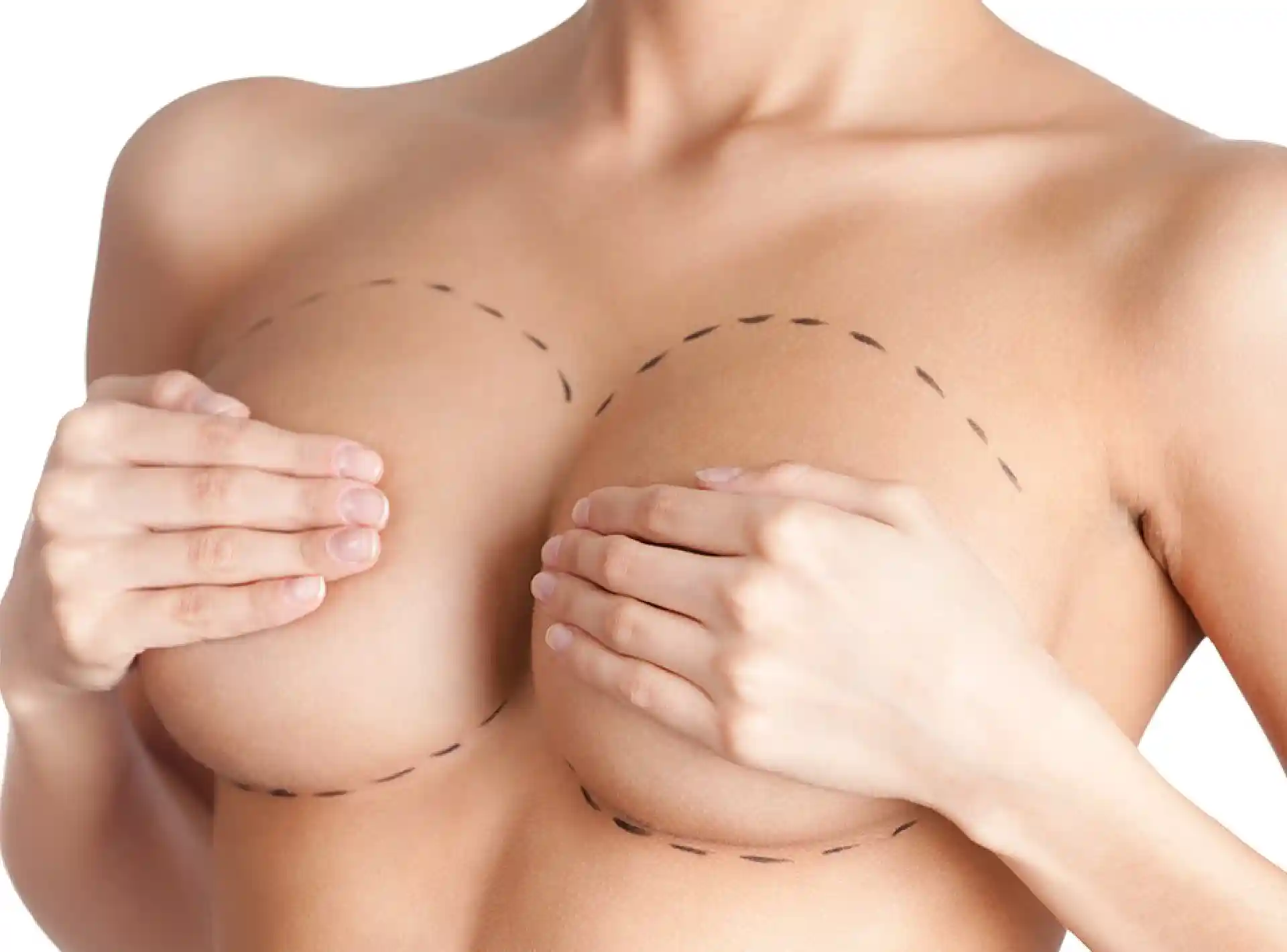
Breast augmentation is a surgical procedure designed to enhance the size and shape of the breasts. It typically involves the placement of implants beneath breast tissue or chest muscles. Individuals often choose this procedure to improve symmetry, restore volume, or enhance overall appearance.
Recovery Process Overview
Recovery following Breast Augmentation Dubai varies depending on surgical techniques and individual healing responses. While most recover smoothly, monitoring for unusual changes is crucial, as certain symptoms can indicate complications.
Recognizing Common Changes After Surgery
Expected Post-Surgery Responses
After breast augmentation, experiencing mild swelling, tenderness, and slight bruising is normal. These symptoms usually resolve gradually within a few weeks as the body heals.
When to Pay Closer Attention
Persistent pain, redness, or increased warmth around the surgical area may require careful observation. While some discomfort is typical, intensifying symptoms could signal an underlying issue that requires attention.
Identifying Infection Signs
Redness Around the Incision
Redness around the incision site that continues to spread or intensify may indicate infection. Healthy healing generally involves fading redness within several days. Rapidly worsening redness is a warning sign to be aware of.
Swelling and Warmth
Significant swelling that does not subside, accompanied by a feeling of warmth in the breast area, can suggest the body is responding to infection. Comparing both breasts can help determine whether swelling is normal or concerning.
Pain That Increases Over Time
While mild post-surgical discomfort is expected, pain that intensifies rather than diminishes over several days may signal infection. It is important to distinguish typical recovery discomfort from pain that could indicate complications.
Discharge From the Incision
Unusual discharge, including pus or cloudy fluid from the surgical site, often points to infection. Any unexpected fluid should be taken seriously and monitored closely.
Fever or Chills
A fever or chills appearing during recovery may indicate that the body is fighting an infection. Systemic symptoms like these, combined with localized changes, increase the likelihood that an infection is present.
Foul Odor
A foul or unusual odor emanating from the incision site can also suggest infection. Clean healing wounds typically do not produce strong smells.
Monitoring Symptoms
Daily Observation
Checking the breast area daily allows individuals to notice early changes. Paying attention to skin color, swelling, temperature, and discomfort can help detect infection signs promptly.
Comparing Both Sides
Comparing the treated breast with the other side can help identify abnormal changes. Significant differences in color, size, or shape may provide early clues to potential issues.
Documenting Changes
Keeping a simple record of observations can help track whether symptoms are improving or worsening. Notes on redness, swelling, and pain levels can provide a clear picture of healing progression.
Common Questions About Infection Signs
How Soon Can Infection Occur?
Infections may develop shortly after surgery or a few weeks later. Early detection is key, so monitoring the surgical site consistently during the first several weeks is important.
Can Minor Redness Be Normal?
Minor redness immediately following surgery is often a normal part of healing. Persistent, spreading, or bright red areas should be considered a warning sign.
Is Swelling Always a Concern?
Swelling is expected in the early recovery phase. However, sudden or increasing swelling that is accompanied by heat or pain may indicate an infection.
How Does Discharge Differ From Normal Healing?
Clear or slightly pink fluid may be part of the normal healing process. Discharge that is yellow, green, or foul-smelling often suggests an infection.
What Role Does Pain Play in Identifying Infection?
Pain levels typically decrease as recovery progresses. Increasing or severe pain, particularly when combined with other symptoms like redness or fever, can signal infection.
Can Fever Occur Without Other Symptoms?
Fever may appear alongside other infection signs, but occasionally it can develop first. Observing any sudden temperature changes is important during recovery.
Steps for Prompt Response
Monitoring Early Warning Signs
Being vigilant about changes in the incision and surrounding breast area helps catch infection early. Immediate attention to unusual symptoms supports better outcomes.
Seeking Professional Guidance
If any signs of infection are observed, consulting a professional promptly is essential. Early evaluation helps prevent complications and ensures proper care.
Avoiding Delay
Even mild symptoms should not be ignored. Timely attention can prevent more severe issues and aid in a smoother recovery.
Summary
Breast Augmentation in Dubai requires careful monitoring during recovery to ensure proper healing. Identifying infection signs early, such as increasing redness, swelling, unusual pain, discharge, fever, or foul odor, is crucial. Daily observation, comparing both breasts, and documenting changes provide valuable information for timely intervention. Understanding these signs empowers individuals to act quickly and maintain a safe recovery process.